
Introduction
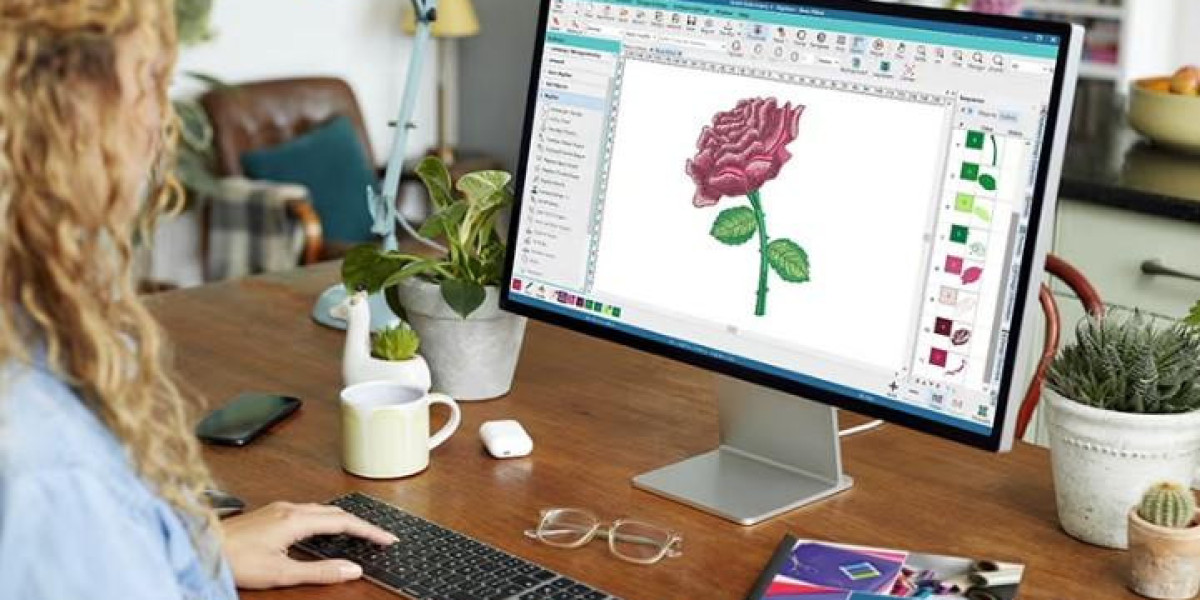
Your brand logo is the face of your business. It sits on your website, your business cards, and your storefront. But when you decide to take that logo off the screen and stitch it onto a polo shirt, a cap, or a tote bag, you hit a wall. A digital image is made of pixels; an embroidery machine speaks in stitches. To make that transition successfully, you need a translator. This translator is a digitized file that guides your embroidery machine, telling it exactly where to place every single thread. But here is the catch: not all file formats are created equal. Choosing the right one is just as important as the design itself. For many top-tier embroidery machines, especially those made by Brother and Baby Lock, the JEF format reigns supreme. Custom logo digitizing in JEF format offers a unique blend of high-quality stitch data and seamless machine compatibility that can make or break your branded merchandise. Whether you are a small business owner looking to outfit your team or a large corporation preparing promotional giveaways, understanding the nuances of this format will save you time, money, and a whole lot of frustration.
What Exactly is a JEF File?
Before we dive into the why, let's clarify the what. A JEF file is the native embroidery file format for Brother and Baby Lock embroidery machines. Think of it as a specific language. When you save a document on your computer, you choose between a .docx, a .pdf, or a .txt. Each format holds the same information but structures it differently. In the embroidery world, the JEF format structures your stitch data in a way that these particular machines read flawlessly.
Unlike a standard image file (like a JPEG or PNG) which only contains color and shape information, a JEF file contains complex machine instructions. It includes coordinates for needle movements, stitch lengths, color change commands, and even trims. It is the roadmap your machine needs to recreate your logo. While other formats like PES or DST are also common, JEF is particularly robust when it comes to handling the intricate details required for a professional logo. It supports a wide range of stitch types and allows for more precise control over the design. When you invest in custom logo digitizing specifically for this format, you are essentially tailoring the instructions to the specific machinery, ensuring that the machine understands the design perfectly without any signal interference or corruption.
Why the Format Matters for Your Logo
You might wonder, why can't I just use any file? The reality is that trying to stitch a logo using a generic or poorly formatted file is like trying to read a recipe in a foreign language. You might guess some parts, but the final dish is likely to be a disaster.
A poorly digitized logo often results in puckering, thread breaks, or distorted shapes. The lettering in your brand name might look squished, or the fine details in your icon might turn into a blob of thread. This is because different machines process stitch data differently. A file optimized for a commercial Tajima machine (which uses DST format) might have the stitch count and densities wrong for a single-needle Brother machine. When you choose a JEF format, you are ensuring that the digitizer is working specifically within the parameters of your machine's capabilities. They know the maximum stitch count, the recommended density, and the color palette limits of the JEF platform. This attention to detail ensures that every curve in your brand mark is crisp and every letter is legible. The result is a professional look that reflects well on your brand, rather than a cheap or sloppy impression.
The Technical Advantages of JEF Digitizing
Let's get into the nitty-gritty of why JEF performs so well. One of the standout features of the JEF format is its ability to handle extensive color palettes. This is crucial for logos that are not just black and white. If your brand uses gradients or specific Pantone colors that need to be matched with thread, the JEF format allows the digitizer to program complex color sequences accurately.
Another major advantage is the inclusion of specific machine commands that enhance the stitching process. For instance, JEF files support "trim" commands and "pause" commands. A trim command tells the machine to cut the thread between color changes, reducing the amount of travel stitches that get dragged across the back of your fabric. This keeps the back of the embroidery clean and prevents thread nests. Pause commands are also useful. They can instruct the machine to stop so you can change the bobbin or simply to mark a specific point in the design. This level of control reduces the risk of errors during the run. Furthermore, JEF files tend to have a smaller file size compared to some other formats, meaning they load faster on your machine and take up less storage space on your USB drive. This might seem minor, but in a busy production environment, every second saved counts.
How JEF Compares to Other Formats
It is helpful to see how JEF stacks up against the competition. The most common alternative is PES, which is also used by Brother machines. While both are often interchangeable, JEF is the older, more established format for home embroidery. PES is generally more advanced in terms of features and is the preferred format for newer machines because it supports more advanced stitch capabilities. However, JEF is still widely used and highly reliable. In fact, many professional digitizers recommend JEF for its stability. It is less prone to corruption and is a "safe bet" if you are unsure about the exact specifications of your machine.
Then you have DST, which is the industry standard for commercial, multi-head machines. DST files are very basic. They contain only stitch commands and lack color information. This forces the operator to manually assign colors, which introduces room for error. The JEF format, in contrast, stores color data directly in the file. When you load a JEF file onto your Brother machine, the screen will often display the color order and even suggest the thread colors. This user-friendly aspect makes it the superior choice for small business owners and hobbyists who do not have a dedicated production manager watching every stitch.
Preparing Your Artwork for Digitizing
The success of your custom logo digitizing in JEF format relies heavily on the starting point: the artwork. You cannot simply take a tiny, pixelated icon from your website and expect magic. The digitizer needs a high-resolution file to work with. Vector files, such as AI or EPS, are the gold standard. These files are made of mathematical paths rather than pixels, so they can be scaled infinitely without losing quality.
If you only have a JPG or PNG, that is usually acceptable, but the resolution needs to be high, ideally 300 DPI or more. A blurry image forces the digitizer to guess where the edges of your logo are, which leads to inaccuracies. Before you send your artwork, clean it up. Remove any stray marks, spellcheck the text, and ensure the colors are precisely as you want them. If your logo has a specific gradient effect, be aware that embroidery cannot replicate gradients exactly. The digitizer will need to use a technique called "tone mapping" to simulate the gradient using different thread colors, and this works best when the base image is clear and distinct. The more information you give the digitizer upfront, the closer the final stitch-out will match your vision.
The Role of the Digitizer in Achieving Brand Consistency
You are paying for more than just a file conversion. A skilled digitizer is a partner in protecting your brand identity. They understand that the texture of thread changes the way a viewer perceives a logo. A thick, puffy stitch might look fun for a children's brand, but a sleek, dense satin stitch might be better suited for a luxury fashion label.
When you commission custom logo digitizing, you are hiring an expert to interpret your brand into the physical world. They consider "pull compensation," which is a fancy term for adjusting the design to account for the fact that fabric distorts when you stitch into it. Thread pulls the fabric inward, so the digitizer must widen certain curves and stretch out letters slightly so that they look correct after the stitching is complete. This is an art form. A machine cannot do this automatically. It requires a human eye to judge the angles and densities. This human touch ensures that the trademark elements of your logo, whether it is a specific font or a unique geometric shape, remain instantly recognizable even when translated into thread.
Cost Considerations and Time Efficiency
One of the primary concerns for business owners is cost. While custom digitizing is an upfront expense, it is an investment in quality. A cheap, auto-digitized file might save you ten dollars today, but it will cost you in wasted thread, broken needles, and damaged garments tomorrow. The frustration of watching a design fail halfway through because of a digitizing flaw is a productivity killer.
Professional digitizing for JEF format ensures that the design runs smoothly on your machine. This reduces machine maintenance costs and minimizes downtime. Additionally, a well-digitized file stitches out faster. The digitizer optimizes the path, reducing unnecessary jumps and trims. This efficiency adds up. If you are embroidering hundreds of uniforms for a hotel chain, saving five minutes per shirt translates to hours of saved time. You pay a little more for the expertise, but you gain back that value in productivity and the peace of mind that your brand will look fantastic every single time.
Common Mistakes to Avoid
When ordering your digitized file, there are a few pitfalls to watch out for. The first is sizing. Do not assume that the digitizer knows how big you want the logo. Always specify the exact dimensions. If you ask for a logo that is one inch tall but it contains a lot of small text, the digitizer should warn you that it will be illegible. Good digitizers will advise you to increase the size or simplify the design.
Another mistake is providing the wrong file type to the digitizer. Send them the cleanest artwork possible, as discussed earlier. Furthermore, be clear about the fabric you are using. A design that looks perfect on a woven cotton shirt will pucker and distort on a stretchy pique knit. A digitizer needs to know the end-use to set the density and underlay correctly. If you fail to mention you are embroidering on beanie hats versus denim jackets, you are setting yourself up for a poor result. Communicating these details is just as important as the digitizing process itself.
How to Ensure a Long Life for Your Digital Files
Once you have your high-quality JEF file, treat it like the asset it is. Store it in a dedicated folder on your computer and back it up on an external drive or cloud service. Since the file is relatively small, you can keep a copy readily available.
It is also wise to keep a copy of the original artwork alongside the digitized file. If you ever need to make adjustments to the logo in the future, having the original art makes it much easier for the digitizer to understand the changes. Additionally, make a note of the settings you used for the sew-out. Record the fabric type, stabilizer, and needle size. If the design worked beautifully, these notes will save you from trial and error if you produce the same item again. Your JEF file is a tool, and like any good tool, it requires proper storage and care to serve you well for years.
Conclusion
In the world of branding, consistency is everything. Your logo is the visual shorthand for your company's values and quality. When you transfer that logo to embroidered goods, you cannot afford to take shortcuts. Choosing the right file format is not a minor technicality; it is a fundamental decision that impacts the aesthetics, durability, and production efficiency of your branded merchandise. By opting for custom logo digitizing in JEF format, you are aligning yourself with a robust, reliable standard that prioritizes detail and machine compatibility. It ensures that the heart of your brand—your logo—is represented with clarity and professionalism on every stitch. Whether you are a seasoned embroiderer or just starting your journey into branded apparel, taking the time to understand the technical side of digitizing pays off in spades. You get a product that looks expensive, runs smoothly, and protects the integrity of your brand image. So, before you load your next design, make sure your file format is as professional as your business.